


Quick Overview
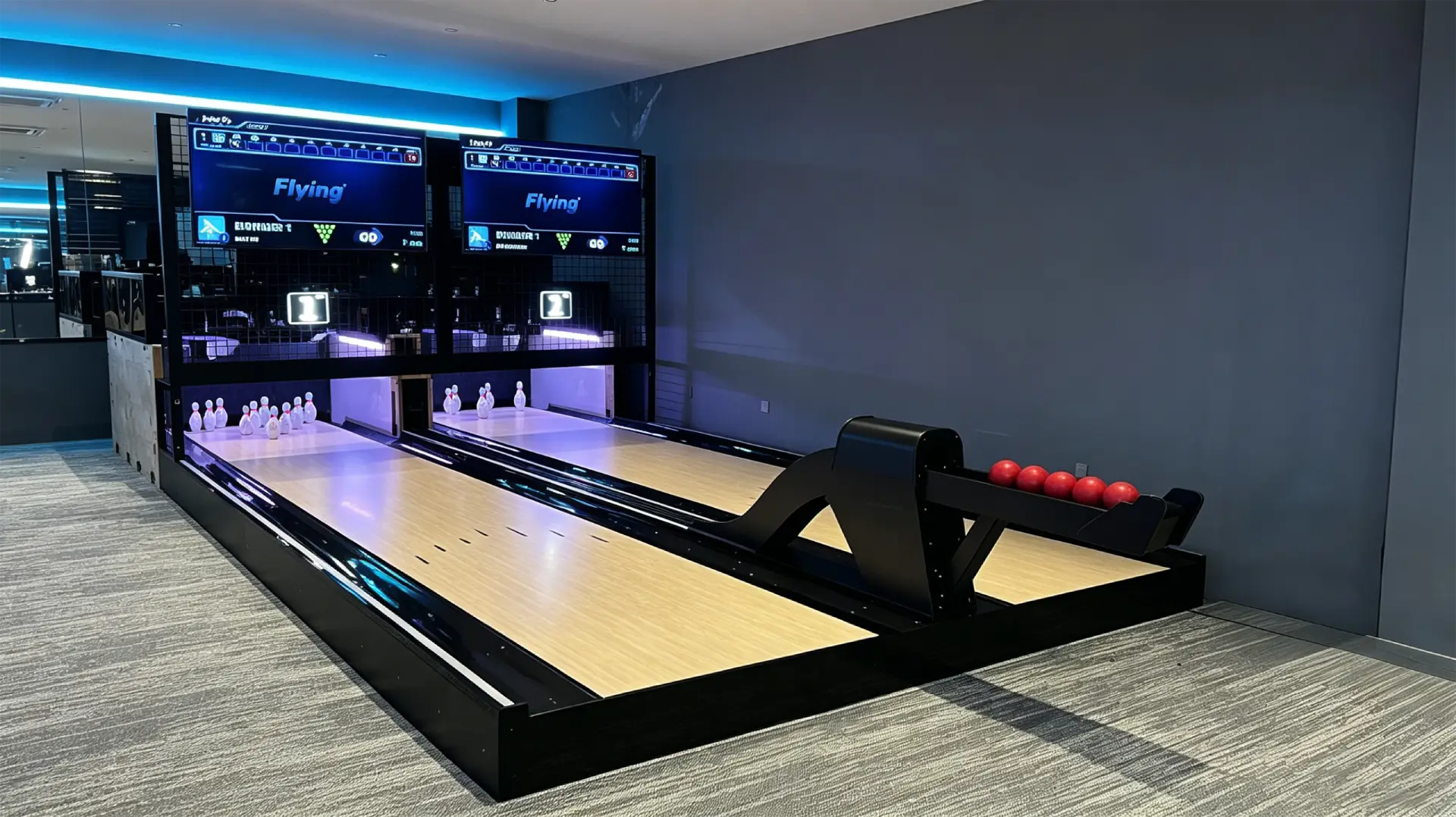
A duckpin bowling machine is a complete equipment system that typically includes the pinsetter, lane, ball return, automatic scoring, control system, balls, pins, and player display. The pinsetter resets the pins, the scoring system records each delivery, and the ball return sends the ball back to the player so the next turn can begin.
For commercial buyers, the most important checks are whether the system is complete, whether all components are compatible, whether it fits the available room, what site preparation is required, and how routine maintenance and spare parts are handled.
A duckpin bowling machine for a family entertainment center, bar, hotel, resort, cinema, or private space should be selected according to the venue’s actual operating needs. Equipment cost and ROI are separate purchasing questions and should be evaluated on the dedicated Duckpin Bowling Lane Cost page.
What Is a Duckpin Bowling Machine?
A duckpin bowling machine is the equipment system that supports the operation of a duckpin bowling lane.
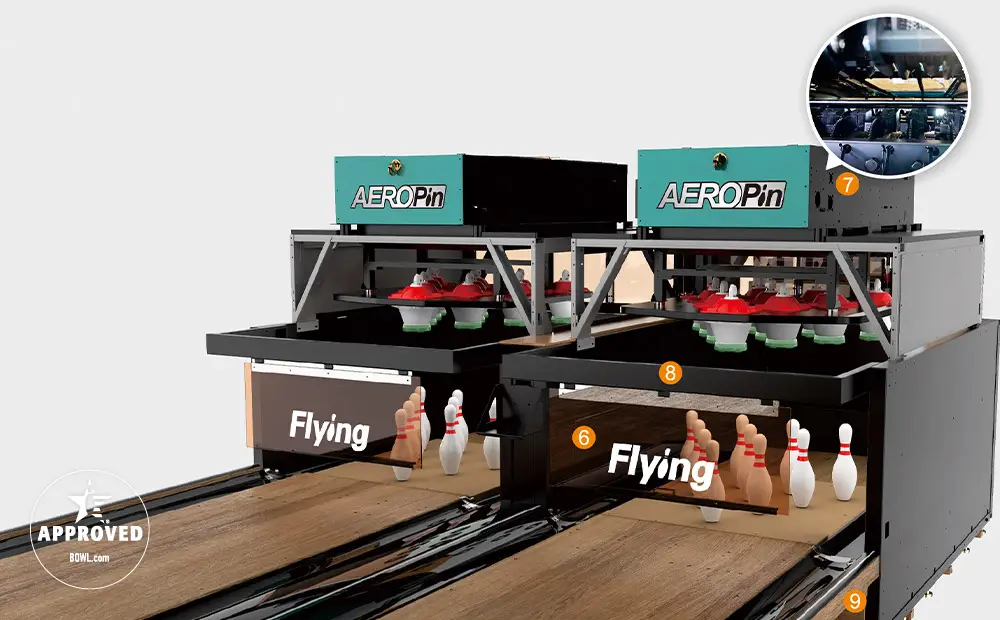
The pinsetter is one of its core components, but a commercial installation usually includes more than the pinsetting mechanism alone. Depending on the configuration, the system may also include the lane, automatic scoring, ball return, control hardware, balls, pins, player displays, and other operating components.
This distinction matters when comparing suppliers. One product described as a “duckpin bowling machine” may refer mainly to the pinsetter, while another may refer to a complete lane system.
Buyers should therefore confirm exactly what is included before comparing equipment proposals.
How Does a Duckpin Bowling Machine Work?
A modern duckpin bowling system coordinates several actions during each player turn.
The player delivers the ball along the lane toward the pins. The system records the result, the pinsetting equipment prepares the pin deck for continued play, and the ball-return system sends the ball back to the player area. The scoring interface then updates the game information.
The exact operating sequence depends on the system configuration, but the objective is the same: keep the game moving with minimal manual intervention.
For commercial venues, the reliability of the complete operating cycle matters more than the performance of any one component in isolation.
What Equipment Is Included in a Duckpin Bowling System?
A commercial duckpin installation is made up of several connected components.
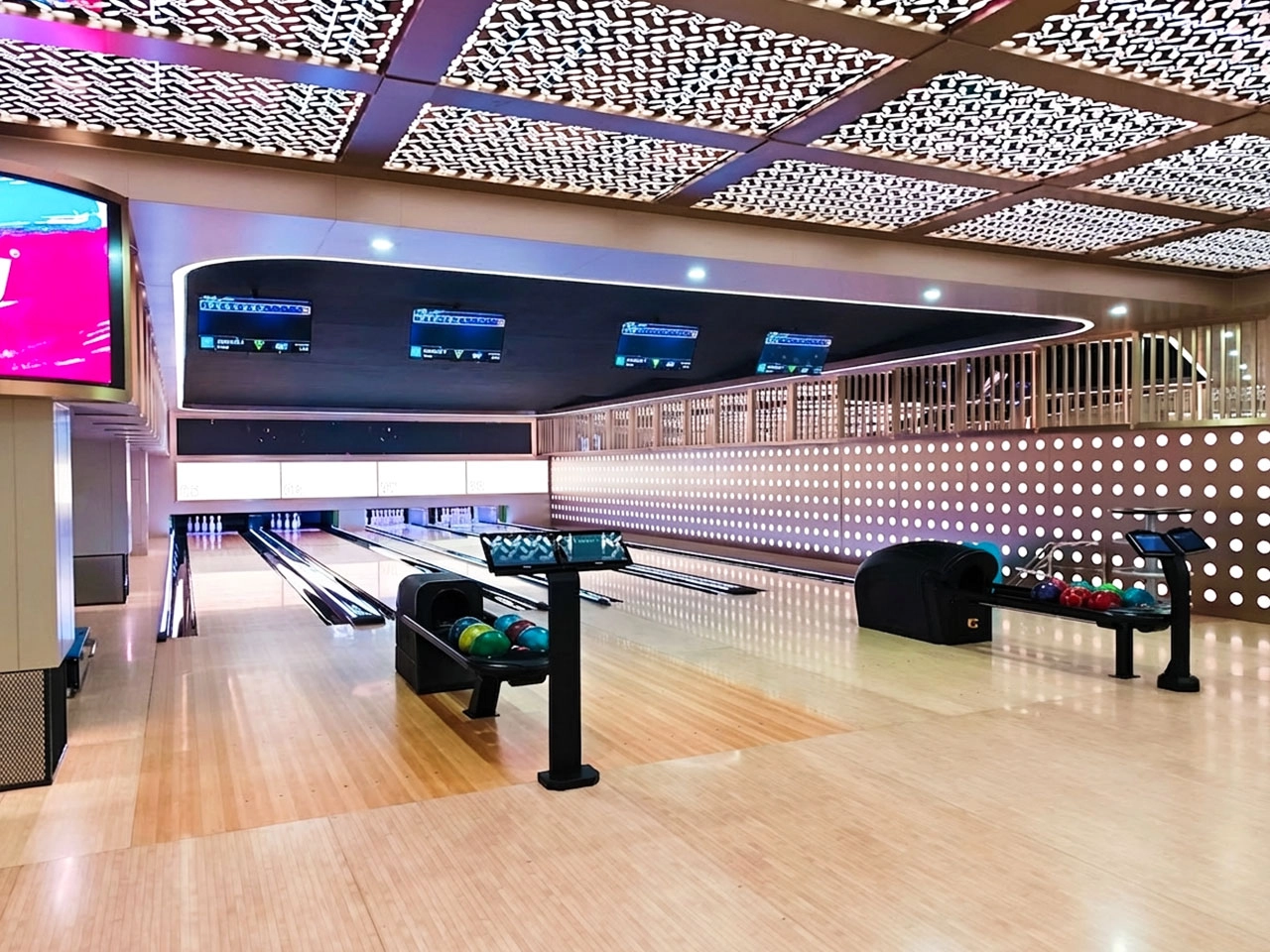
The lane provides the playing surface. The pinsetter resets the pins. The ball return moves the ball back to the player area, while the scoring system records game progress and displays results.
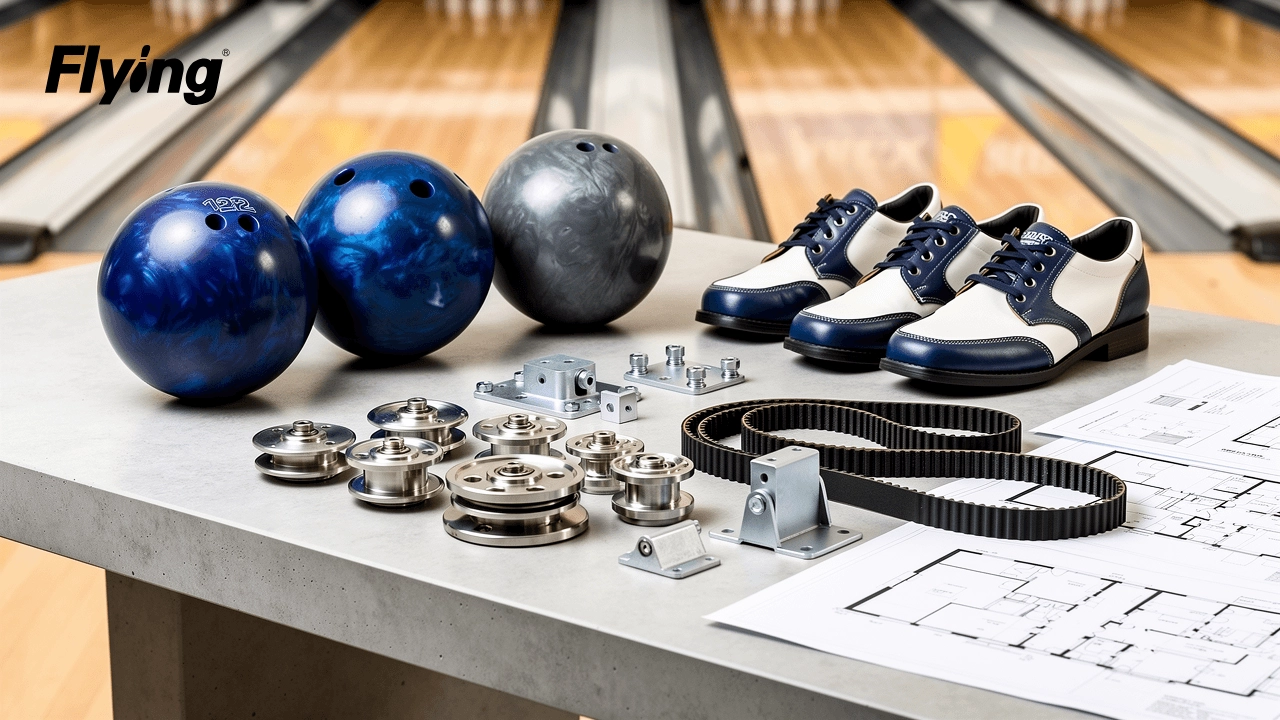
The system also requires duckpin balls and pins matched to the selected configuration. Control equipment, player displays, lighting, and other interface components may also be included.
| System Component | Main Function |
|---|---|
| Bowling lane | Provides the playing surface |
| Pinsetter | Resets pins between deliveries |
| Ball return | Returns the ball to the player area |
| Automatic scoring | Records and displays game progress |
| Control system | Coordinates system operation |
| Balls and pins | Playing equipment matched to the duckpin format |
| Player display/interface | Shows player and game information |
For buyers, compatibility is as important as component availability. The lane, pinsetter, scoring, controls, and ball-return system need to operate together as one system.
String Pinsetter Technology in Duckpin Bowling Machines
String pinsetters use cords attached to the pins to assist with resetting them after play.
In a commercial duckpin system, the string mechanism works with the lane and control system to prepare the pins for the next delivery.
The practical value is not simply that strings are used. Buyers should evaluate how the pinsetter performs during normal operation, how it integrates with scoring and controls, and what routine inspection or maintenance the system requires.
This page treats string pinsetting as one part of the duckpin machine architecture rather than as a separate pinsetter comparison topic.
Automatic Scoring and Player Interface
Automatic scoring reduces the need for players or staff to calculate results manually.
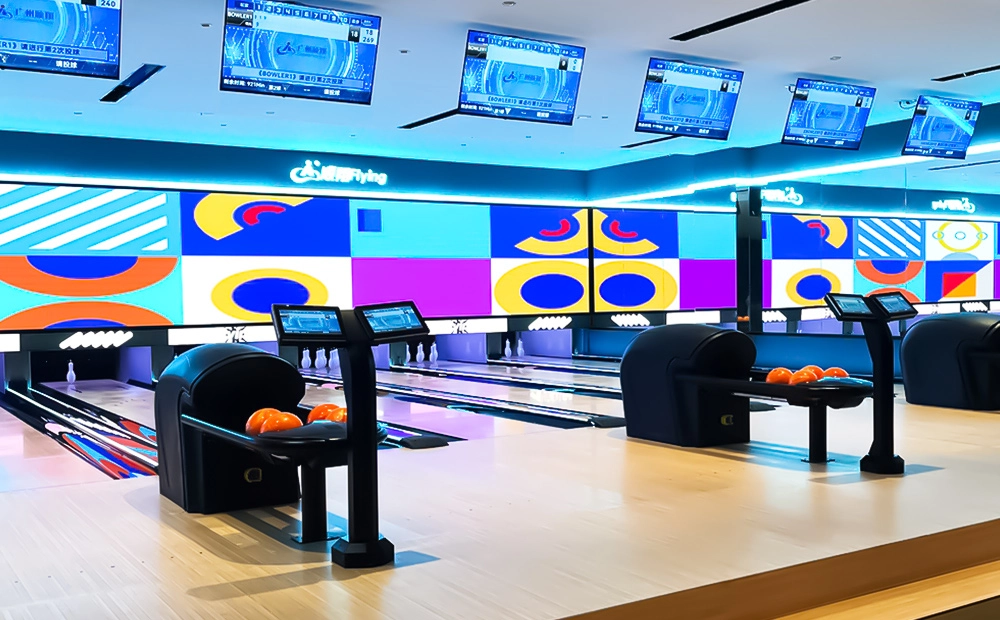
During the game, the scoring system records progress and updates the player interface. Depending on the configuration, displays may show player names, current game information, and progress during the session.
This is especially useful in commercial venues where many visitors may be first-time or casual bowlers.
A clear interface can reduce confusion and support a smoother game flow. For operators, scoring should be evaluated as an integrated system function rather than as a standalone screen or software feature.
How Equipment Design Affects the Player Experience
Players interact directly with the lane, balls, scoring display, ball return, and pinsetting cycle.
If these elements work together smoothly, the experience is easier to understand and more consistent for casual users.
Duckpin uses smaller playing equipment than standard tenpin bowling, which can support a more accessible and social entertainment format in some venue concepts.
Automatic scoring reduces manual input, while consistent pin resetting and ball return help maintain game rhythm. Displays and lighting can also support the atmosphere of the bowling area when they are integrated with the wider venue design.
For a commercial operator, machine performance therefore affects both equipment operation and the customer experience.
How to Choose a Duckpin Bowling Machine
Choosing a duckpin bowling machine should begin with the venue rather than with a feature list.
A high-traffic family entertainment center may prioritize repeated daily use, easy operation, and maintenance access. A bar or social entertainment venue may place more emphasis on compact installation and straightforward gameplay. Hotels, resorts, cinemas, and private spaces can have different requirements again.
The first step is to confirm whether the system is complete and compatible. Buyers should understand how the lane, pinsetter, scoring, ball return, control system, and playing equipment connect.
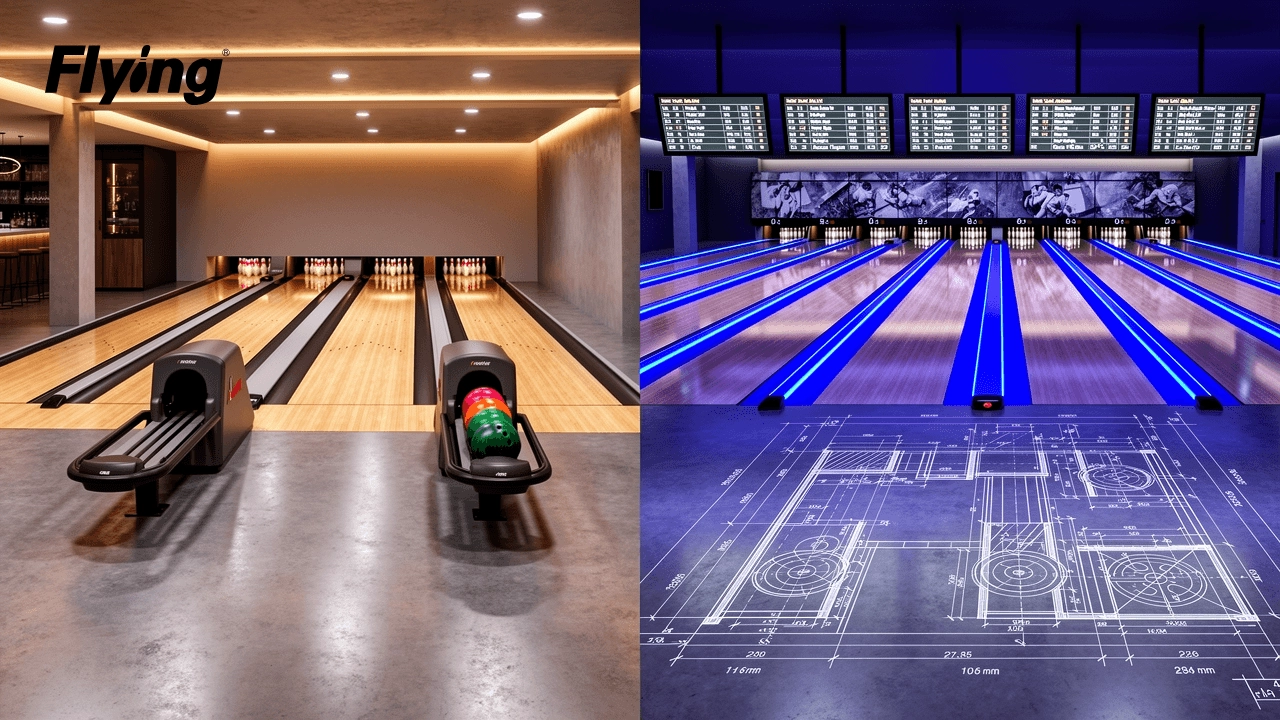
The second step is to verify whether the system fits the actual building. Room dimensions, structural columns, doorways, equipment access, ceiling conditions, circulation, and service space can all affect installation feasibility.
Daily operation should also be considered. Buyers should understand routine maintenance requirements, spare-parts needs, technical documentation, and what level of operator access is required.
Machine features should then be evaluated against real venue needs. Automatic scoring may be valuable in a venue serving first-time players. A compact footprint may matter in a mixed-use entertainment space. Easy maintenance access may be more important in a high-traffic commercial environment.
The most suitable system is not the one with the longest specification sheet. It is the one that matches the venue, expected usage, available space, and operating requirements.
Commercial vs Home Duckpin Bowling Machines
Commercial and private duckpin installations can use similar equipment concepts, but the planning priorities are different.
Commercial venues may place greater emphasis on repeated daily operation, simple player use, maintenance access, and integration with other attractions.
A duckpin bowling machine for home should be evaluated as a complete private bowling system rather than only as a pinsetter. Room depth, system width, access for installation, equipment servicing, noise conditions, ball return, and player space all need to be considered.
Private installations may also need to account for the fact that there is usually no dedicated technical staff on site.
In both commercial and home projects, the complete system footprint matters more than the dimensions of the machine alone.
Which Venues Are Suitable for Duckpin Bowling Equipment?
Duckpin bowling equipment can be used in several types of entertainment environments, but each venue has different operational priorities.
Family entertainment centers may value equipment that supports frequent customer use and works alongside arcade, food, or other attractions.
Bars and social entertainment venues may prefer a compact system that is easy for casual customers to understand and does not dominate the floor plan.
Hotels and resorts may focus on guest accessibility and straightforward operation. Cinemas and mixed-use developments may use duckpin bowling to expand their entertainment offer without creating a conventional full-scale bowling center.
Private recreation spaces can also consider compact duckpin when the building conditions and maintenance requirements are suitable.
The venue category alone does not determine the correct machine. Equipment needs to match the actual operating environment.
Duckpin Bowling Machines in Mixed-Use Entertainment Venues
Duckpin bowling is often installed as one attraction within a wider entertainment concept.
This affects equipment selection because the bowling area may need to share space with food and beverage service, arcade games, seating, event areas, or other activities.
In these venues, operators need to consider not only how the machine performs, but also how players move into and out of the bowling area and how easily first-time users can understand the system.
Automatic scoring, clear displays, reliable ball return, and consistent pin resetting become particularly useful when bowling is intended for casual, high-turnover entertainment.
The equipment should therefore support the wider venue layout rather than be treated as an isolated installation.
What Should Be Prepared Before Installing a Duckpin Bowling Machine?
Equipment selection should take place before the final construction layout is fixed.
The project team needs to confirm the usable room dimensions and compare them with the complete bowling system footprint.
Structural conditions should also be reviewed. Columns, walls, doorways, circulation routes, and equipment access can affect where the system can be positioned.
Electrical and control requirements need to be confirmed before installation so that services are available in the correct locations.
The project should also allow enough access for equipment delivery, installation, adjustment, inspection, and future maintenance. A system may fit the completed room but still be difficult to install if components cannot be moved into position.
Applicable local building, electrical, fire, accessibility, and other requirements should be reviewed by the responsible project professionals before construction is completed.
Equipment Installation and System Integration
Installing a duckpin bowling machine requires the lane, pinsetter, ball return, scoring, controls, and player interface to be positioned and tested as one system.
Installation should verify that the scoring system records game information correctly, pins reset as intended, balls return reliably, and operators can access components that require routine service.
System integration is important because a fault in one component can interrupt the whole game cycle.
For example, a pinsetter may operate correctly while gameplay is still disrupted if scoring or controls are not communicating properly.
Final commissioning should therefore test complete operating cycles rather than individual components in isolation.
Maintenance and Daily Operation
Routine maintenance supports consistent duckpin machine operation.
Depending on the system, operators may need to inspect the pinsetter, strings, sensors, ball-return components, lane surface, balls, pins, and control equipment.
Cleaning and inspection should follow the maintenance guidance supplied for the selected system.
Staff should also monitor changes in normal operation. Irregular pin resetting, inconsistent sensor response, unusual ball-return behavior, or damaged playing equipment may indicate that a component needs attention.
Basic maintenance records can help operators identify recurring issues and plan routine servicing more effectively.
This section focuses only on maintenance tasks and operational requirements. Maintenance cost and long-term operating expenses belong to the dedicated duckpin cost analysis.
What Should Buyers Ask a Duckpin Bowling Equipment Supplier?
Before choosing a supplier, buyers should confirm exactly what is included in the proposed system.
They should ask whether the package includes the lane, pinsetter, scoring system, ball return, controls, balls, pins, displays, and any other components required for normal operation.
Building requirements should also be clear. Buyers need to know the required room dimensions, access conditions, electrical preparation, and any local work that must be completed before installation.
Installation scope is another important question. The buyer should understand which work is included with the equipment package and which responsibilities remain with the local contractor or venue.
Routine maintenance, recommended spare parts, technical documentation, commissioning, and post-installation adjustment procedures should also be confirmed before purchase.
These questions make it easier to compare complete system proposals rather than comparing equipment names alone.
Where Cost Fits Into the Buying Decision
Equipment pricing depends on configuration, lane count, destination, installation scope, and the components included in the project.
Those financial factors are important, but they are separate from the technical role of this page.
For detailed information about duckpin bowling machine cost, lane cost, installation expenses, operating cost, and ROI, see Flying Bowling’s dedicated Duckpin Bowling Lane Cost guide .
Conclusion
A duckpin bowling machine is best understood as part of a complete bowling equipment system rather than as a standalone pinsetter.
The lane, pinsetting equipment, scoring system, ball return, controls, playing components, and player interface all need to work together to support consistent operation.
For commercial buyers, equipment selection should begin with the intended venue, available space, expected usage, installation conditions, and maintenance requirements.
Family entertainment centers, bars, hotels, resorts, cinemas, mixed-use leisure venues, and private recreation spaces may all consider duckpin bowling, but they may require different configurations.
Before purchasing, operators should confirm what the system includes, how it fits the building, what site preparation is required, how installation and commissioning are handled, what routine maintenance is needed, and what technical support information is supplied.
Cost and ROI should then be evaluated separately through the dedicated duckpin cost analysis, allowing the equipment page and cost page to serve two distinct search intents without competing with each other.
Planning a Duckpin Bowling Equipment Project?
Explore Flying Bowling’s commercial bowling solutions or contact our team to discuss equipment configuration, venue requirements, and installation planning for your project.
Explore Bowling Solutions Discuss Your Project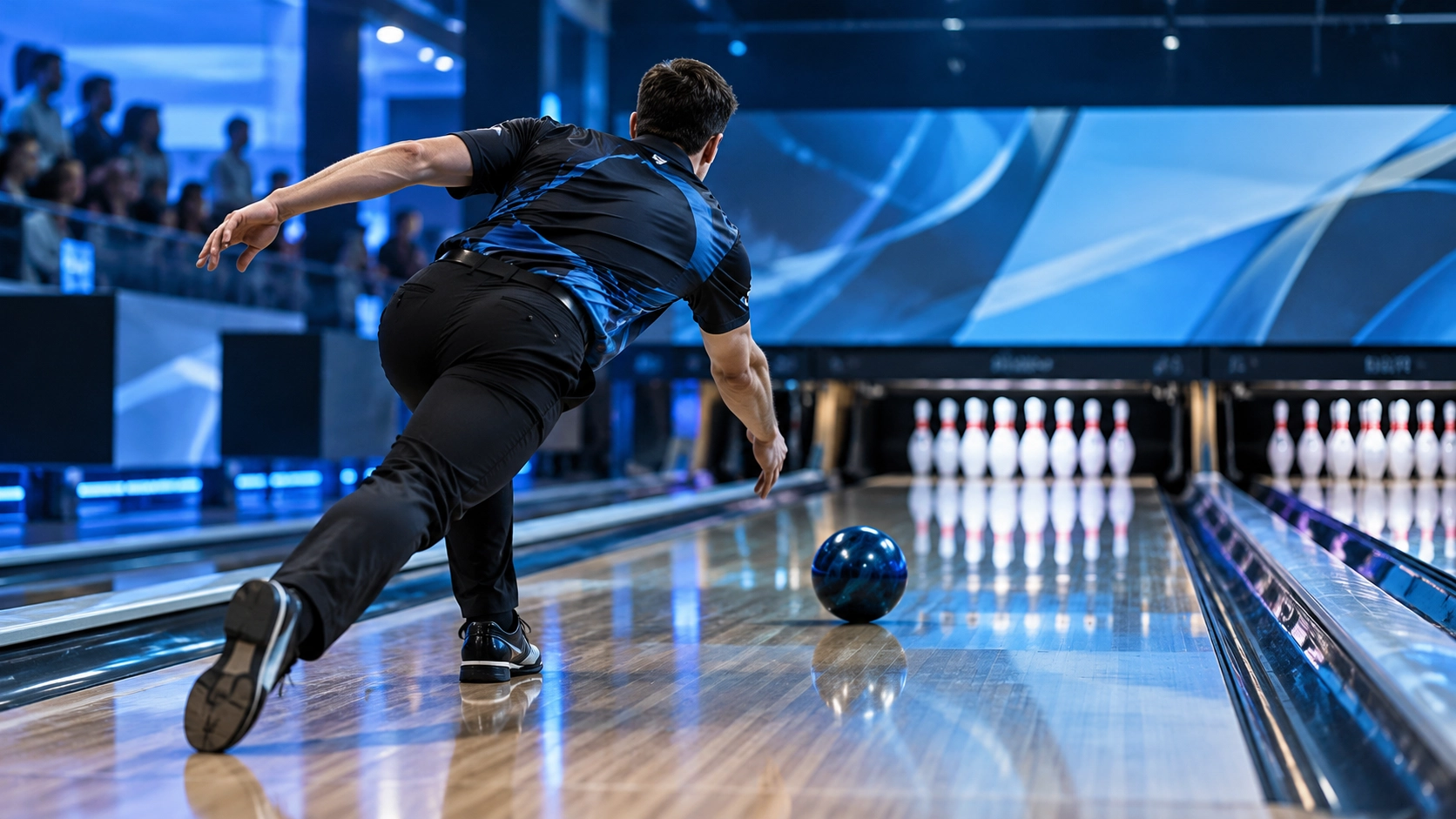


Flying Bowling
Flying Bowling
Flyingbowling
Flyingbowling
Flyingbowling